
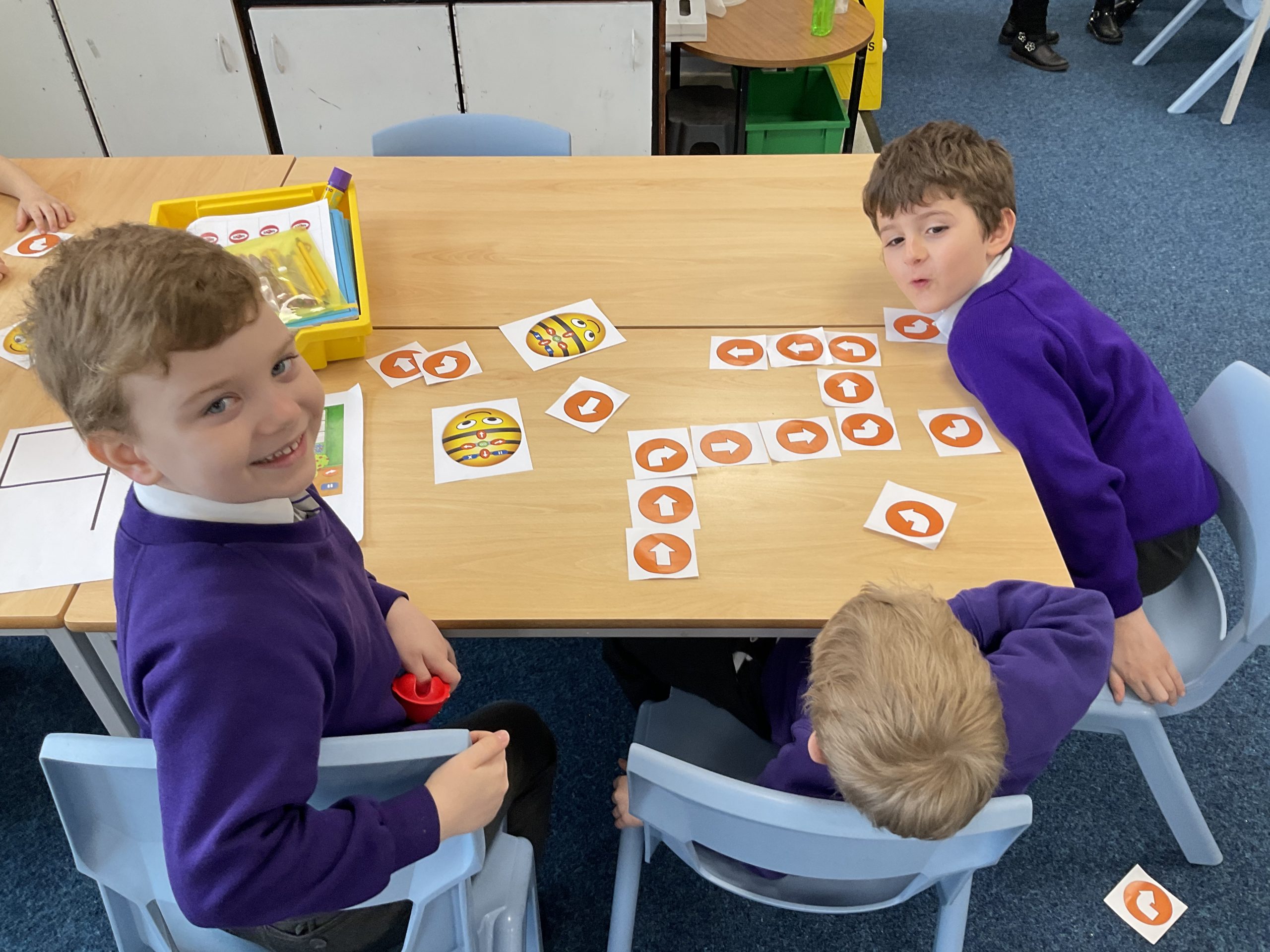
As the world changes, so do the skills needed for the workforce. To prepare our children and young people for the jobs of tomorrow, we need to adapt our current education system. In this article, we will explore the current problems in education and highlight ways in which the education system can adapt to build the skills for the future workforce. Additionally, we will reference best practice from global education systems and explain how these approaches can be implemented into project-based learning.
One of the main problems in the current education system is the emphasis on traditional subjects such as math, science, and English. While these subjects are important, they do not provide the necessary skills for the future workforce. According to a report by the World Economic Forum, the top skills needed for the future workforce include complex problem-solving, critical thinking, creativity, people management, and emotional intelligence. To build these skills, we need to place more emphasis on teaching creativity, critical thinking, digital literacy, collaboration, and adaptability.
One approach is to implement project-based learning, which allows students to work on real-world projects that require them to apply what they have learned in a practical way. This approach has been successfully implemented in Finland, a country with a highly regarded education system. In Finland, project-based learning is used to teach interdisciplinary skills, such as problem-solving, communication, and teamwork. This approach helps students develop a deeper understanding of the subject matter and promotes creativity and critical thinking.
To implement project-based learning in the current education system, teachers can start by designing projects that allow students to apply their knowledge in real-world contexts. For example, in a science class, students can work on a project that involves designing a sustainable energy source for a community. In an English class, students can work on a project that involves creating a persuasive argument for a social issue. By designing projects that require students to apply their knowledge, teachers can promote critical thinking and creativity.
Another way to adapt the current education system is to provide more training for teachers. Teachers need to be trained in how to effectively teach the skills for the future workforce. This can be done through professional development opportunities, which can provide teachers with the necessary skills and knowledge to teach creativity, critical thinking, digital literacy, collaboration, and adaptability. In Singapore, the Ministry of Education provides ongoing professional development opportunities for teachers to ensure that they are equipped with the necessary skills to teach 21st-century skills.
In addition, the current education system can adapt by incorporating technology into the learning process. Digital literacy is a crucial skill for the future workforce, and students need to be proficient in using technology. Singapore has again led the way in this area, with its “Smart Nation” initiative, which aims to use technology to improve the lives of its citizens. In schools, this means using technology to enhance the learning process, such as through the use of educational apps and digital textbooks.
Lastly, we need to encourage and support students in pursuing their passions and interests. By allowing students to pursue their passions, they can develop the skills they need for the future workforce. In the United States, the Montessori method of education has been successful in this regard. The Montessori approach is child-centered and focuses on allowing children to learn at their own pace and follow their own interests. This approach promotes creativity and adaptability, as children are encouraged to explore and pursue their interests.
In conclusion, the current education system needs to adapt to build the skills for the future workforce. This can be done by placing more emphasis on teaching creativity, critical thinking, digital literacy, collaboration, and adaptability, implementing project-based learning, providing more training for teachers, incorporating technology into the learning process, and encouraging and supporting students in pursuing their passions and interests. By referencing best practice from global education systems, we can better prepare our children and young people.
Comments are closed