
In England, coding is taught as part of the computing curriculum, which is mandatory for all primary and secondary schools. The computing curriculum is designed to help students develop the skills they need to become digitally literate and capable of using technology to solve problems.
Early Learning Goals: In the Early Years Foundation Stage (EYFS), which covers children aged 0-5, children learn about technology through the ‘Understanding the World’ area of learning. They will be taught about technology around them, how it works and be able to operate it themselves. There are no specific coding requirements at this stage though may be exposed instructions, predicting and moving physical devices such as BeeBots.
National Curriculum for Key Stage 1 (KS1): At KS1 (ages 5-7), children will be taught to write simple programs, debug simple programs, use technology safely and respectfully, and understand how technology is used in the wider world. This is taught through the use of age-appropriate visual block programming software such as Scratch and Kodu.
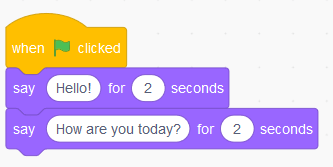
National Curriculum for Key Stage 2 (KS2): At KS2 (ages 7-11), children will be taught more complex programming concepts such as sequences, selection and repetition, as well as how to use logical reasoning to predict outputs. They will also learn about the importance of e-safety and digital citizenship. They will use a wider range of programming tools including more text-based languages such as Python and JavaScript.
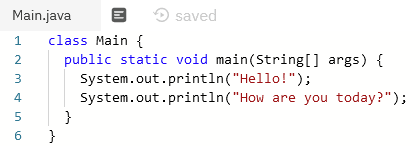
National Curriculum for Key Stage 3 (KS3): At KS3 (ages 11-14), students will be taught a more in-depth understanding of programming concepts such as object-oriented programming, algorithms and data structures. They will also explore computational thinking and how computers work. Students will continue to develop their understanding of e-safety and will also learn about the impact of technology on society.
National Curriculum for Key Stage 4 (KS4): At KS4 (ages 14-16), students have the option to choose Computer Science as a subject. This covers programming languages, data structures, algorithms, networking, and database design. Students will also have the opportunity to develop real-world programming projects, applying the knowledge they have learned.
Pathways to further education and careers: Students who choose to study Computer Science at A-level and beyond can continue their studies at university, studying computer science or a related subject such as software engineering. There are also a number of vocational courses available for those who prefer a more hands-on approach to learning. The computing industry is growing rapidly, and there are a wide range of careers available in software development, network engineering, cybersecurity, data analytics and more. There is a demand for skilled computing professionals across all industries, so the skills developed during coding education can be transferable across a number of different sectors.
Comments are closed